Types of Refractive Surgery in Andheri Mumbai | Dr. Jignesh Gala
By Dr. Jignesh Gala, Crystal Clear Eye Clinic, Andheri, Mumbai
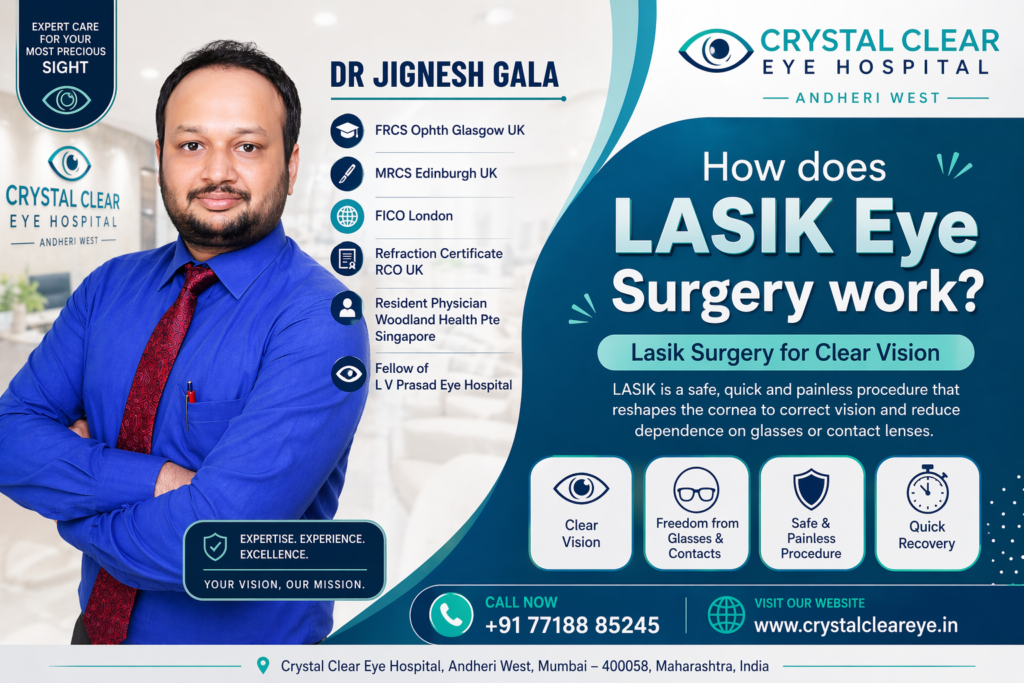
If you are tired of glasses or contact lenses, refractive eye surgery can be life-changing. As one of Mumbai’s leading eye surgeons based in Andheri, Dr. Jignesh Gala at Crystal Clear Eye Clinic offers personalised guidance on the best procedure for your unique eyes. Here is a comprehensive guide to every major type of refractive surgery available today.
What is refractive eye surgery?
Refractive surgery corrects vision problems like myopia (short-sightedness), hyperopia (long-sightedness), astigmatism, and presbyopia. It works by reshaping the cornea or replacing the eye’s natural lens so light focuses precisely on the retina. The right procedure depends on corneal thickness, prescription strength, age, and lifestyle.
10 most common types of refractive surgery
Most popular
1. LASIK
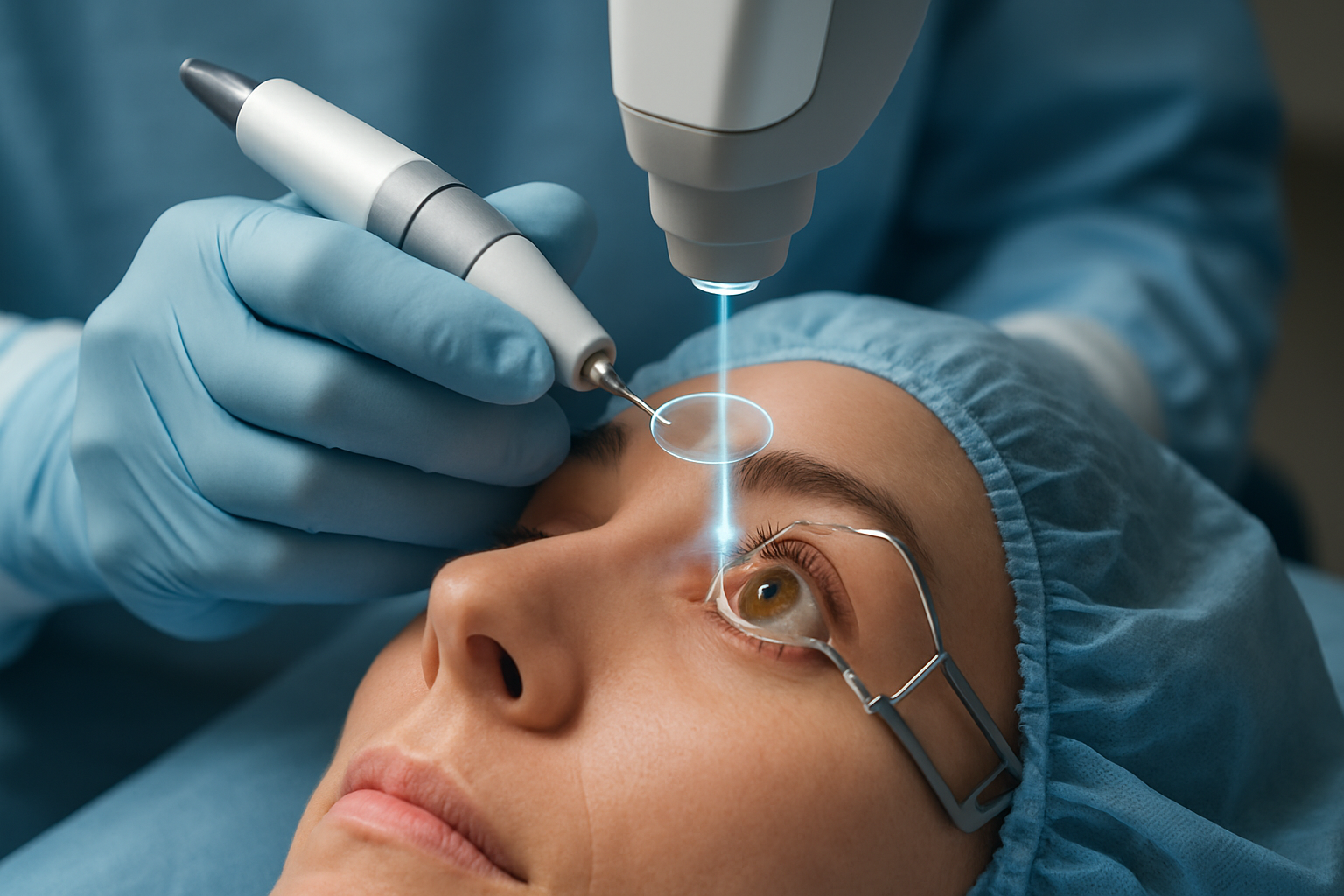
Laser-Assisted in Situ Keratomileusis (LASIK) is the gold standard for vision correction. A thin corneal flap is created, the underlying tissue is reshaped with an excimer laser, and the flap is replaced. Most patients achieve clear vision within 24 hours.
Best for: myopia, hyperopia, astigmatism with adequate corneal thickness.
Thin corneas
2. PRK (Photorefractive Keratectomy)
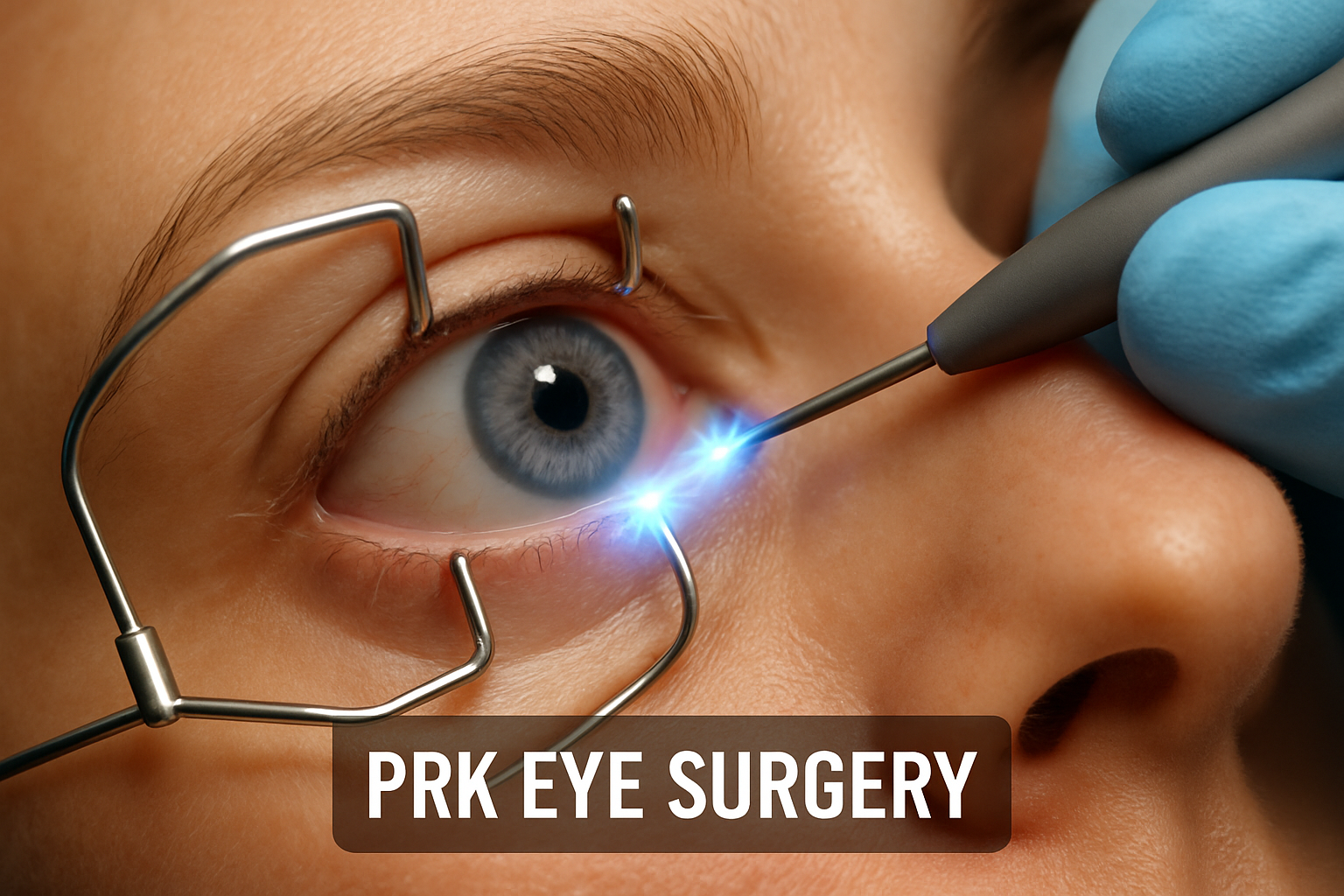
PRK removes the outer corneal epithelium and reshapes the surface directly with a laser — no flap is created. Recovery is slightly longer but it is the preferred option for patients with thinner corneas or dry eyes.
Best for: thin corneas, contact sport athletes, mild to moderate prescriptions.
Minimally invasive
3. SMILE

Small Incision Lenticule Extraction is the newest flapless laser procedure. A tiny keyhole incision is made and a precise disc of tissue is removed. This preserves more corneal nerves, resulting in less post-operative dryness than LASIK.
Best for: moderate to high myopia, patients prone to dry eyes.
Implant-based
4. ICL (Implantable Collamer Lens)
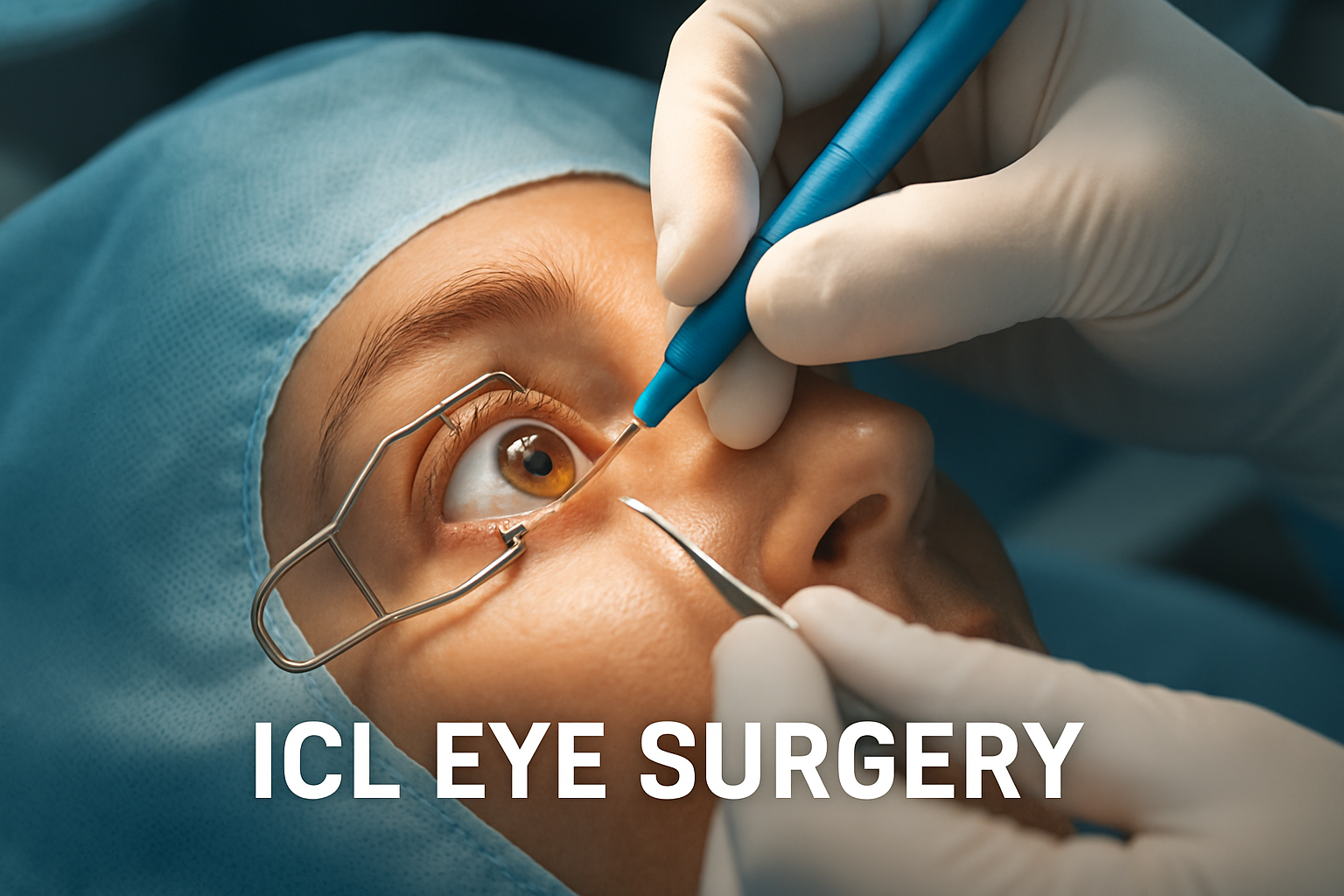
An Implantable Collamer Lens is placed behind the iris without removing any corneal tissue. It is ideal for patients with very high prescriptions or corneas too thin for laser surgery, and it is fully reversible.
Best for: high prescriptions (–6 to –20D), thin corneas, night vision concerns.
Flap-free laser
5. LASEK
Laser Epithelial Keratomileusis combines elements of LASIK and PRK. The epithelium is loosened with alcohol, gently lifted, and replaced after laser reshaping. It suits patients whose corneas are too flat or thin for standard LASIK.
Best for: thin or flat corneas, occupations with low risk tolerance.
Age-related
6. Clear Lens Exchange (CLE / RLE)
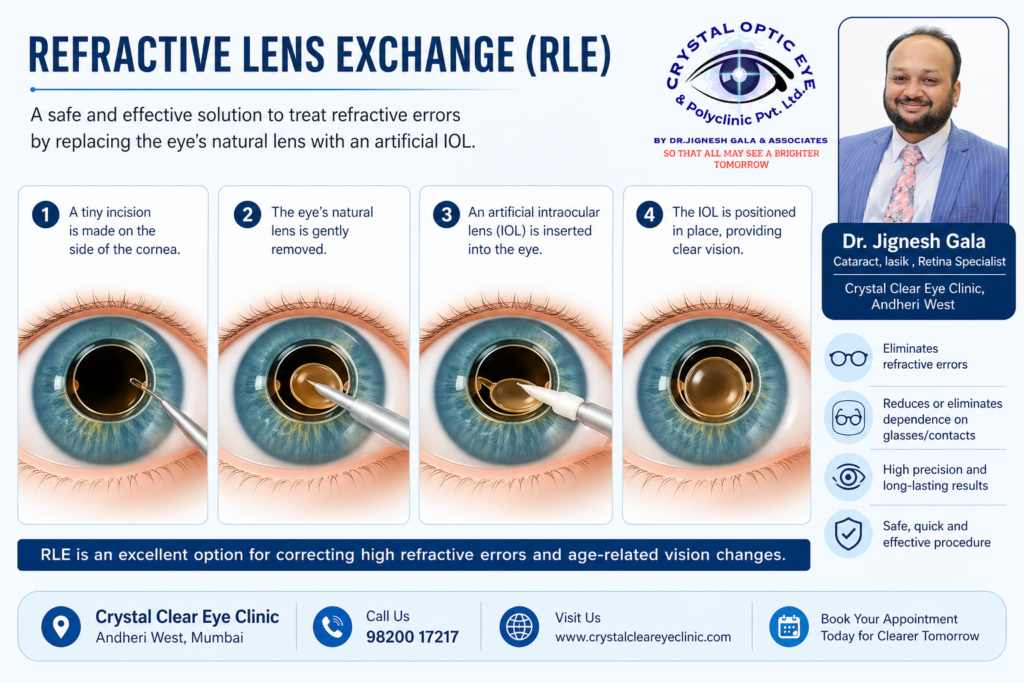
In Clear Lens Exchange or Refractive Lens Exchange, the eye’s natural lens is replaced with a premium intraocular lens (IOL). This also eliminates the future risk of cataracts and is the best option for patients over 45 with presbyopia.
Best for: presbyopia, early cataracts, high prescriptions over 40 years of age.
Thin corneas
7. Epi-LASIK
Epi-LASIK uses a special instrument (epikeratome) to create an ultra-thin epithelial sheet — no alcohol, no flap. It is gentler on the corneal structure and preferred for patients in high-impact occupations or sports.
Best for: athletes, thin corneas, patients seeking a flapless surface procedure.
Custom laser
8. Topography-guided LASIK
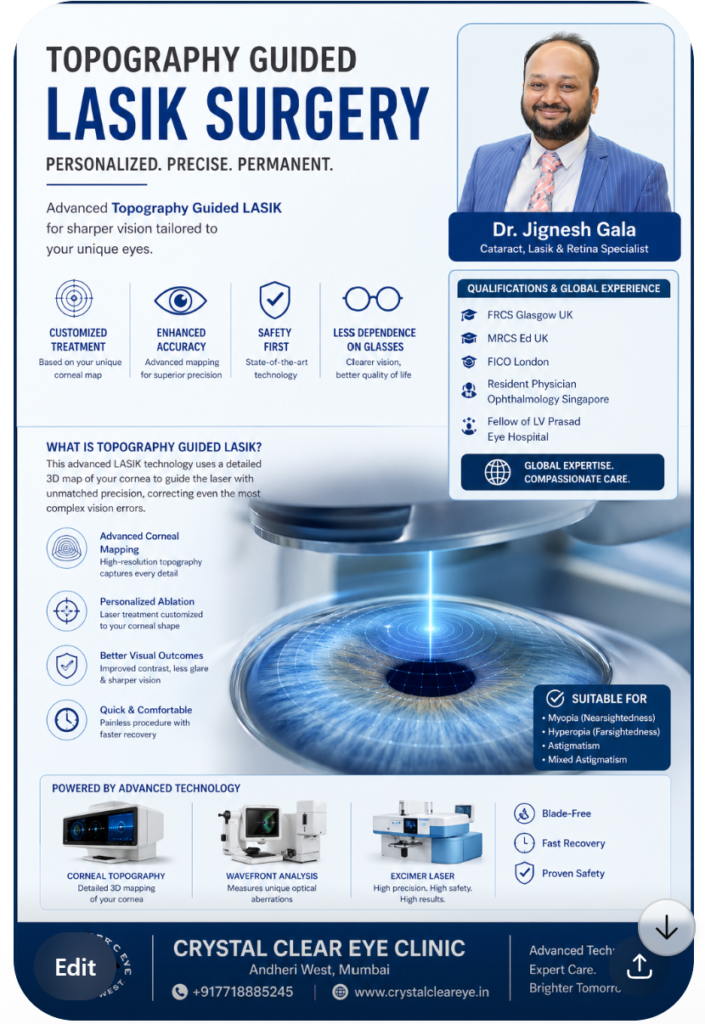
Using detailed corneal mapping, topography-guided LASIK tailors the laser treatment to the unique contour of each eye. It is particularly effective for irregular corneas or for patients who have had previous eye surgery and want to refine results.
Best for: irregular astigmatism, previously operated eyes, corneal irregularities.
Custom laser
9. Wavefront-guided LASIK
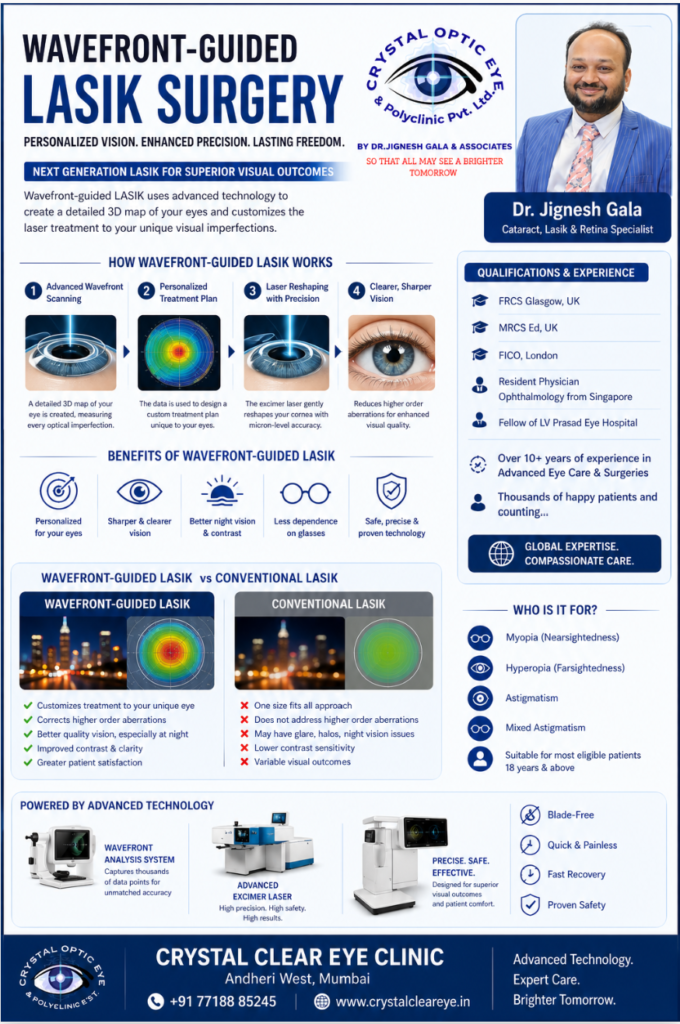
This custom LASIK variant uses an aberrometry map of the eye’s entire optical system to correct even the subtlest visual aberrations. Many patients report sharper night vision and reduced glare or halos compared to standard LASIK.
Best for: patients prioritising night-time driving, high-definition vision quality.
Presbyopia
10. PresbyLASIK / Multifocal LASIK
Designed specifically for people over 40, PresbyLASIK reshapes the cornea to create different optical zones for near, intermediate, and distance vision — significantly reducing dependence on reading glasses.
Best for: presbyopia, age-related near-vision loss, patients wanting spectacle independence.
How to choose the right procedure
No single procedure suits everyone. The best approach is a thorough pre-surgical evaluation by a qualified eye surgeon. At Crystal Clear Eye Clinic in Andheri, Dr. Jignesh Gala performs a detailed corneal topography, aberrometry scan, and dry-eye assessment before recommending any surgery. Key factors considered include corneal thickness and curvature, refractive error and stability, age and lifestyle, pupil size and night vision needs, and history of dry eye or previous surgeries.
Frequently asked questions
Is refractive surgery painful?
Most procedures involve only mild pressure or discomfort during the surgery. Numbing drops are used throughout. Post-operative discomfort is usually mild and resolves within 1–3 days depending on the procedure chosen.
How permanent are the results?
For most patients under 40, results are long-lasting. The eye’s correction is permanent, though natural age-related changes (such as presbyopia after 40) may still occur. Regular follow-ups at our Andheri clinic help monitor your vision over time.
Am I a good candidate for LASIK in Mumbai?
Ideal candidates are adults over 18 with stable refraction for at least one year, adequate corneal thickness, no significant dry-eye disease, and realistic expectations. A comprehensive pre-operative evaluation at Crystal Clear Eye Clinic will confirm your suitability.
What is the cost of LASIK in Andheri, Mumbai?
The cost varies depending on technology and the specific procedure — standard LASIK, SMILE, or custom wavefront-guided surgery each differ in price. Contact Crystal Clear Eye Clinic for a transparent, personalised consultation and cost estimate.
Contact Crystal Clear Eye Hospital – Andheri West
Crystal Clear Eye Hospital
B 125, Laram Centre, S V Road,
Andheri West, Mumbai, Maharashtra
Phone: +91 7718885245
Website: www.crystalcleareye.in
Patient Reviews for Dr Jignesh Gala,
- https://www.youtube.com/shorts/AduDOdvl_ZQ,
- https://www.youtube.com/shorts/cp2i4uyoDFM,
- https://www.youtube.com/shorts/b3AUchy2O9Y,
- https://www.youtube.com/shorts/ygONyydMxF4,
- https://www.youtube.com/shorts/8B_YeEIxrSA,
- https://www.youtube.com/shorts/xMKyIThUy-Y,
- https://www.youtube.com/watch?v=kzOlvpQF9wo