Can Diabetes Cause Blindness? Understanding Diabetic Eye Disease
If you have diabetes, you may be at risk of losing your eyesight — permanently. India is the diabetes capital of the world, yet only 9.6% of diabetics ever get their eyes screened. Learn how diabetic retinopathy blindness develops, the warning signs, and how 95% of vision loss is preventable.
Thank you for reading this post, don't forget to subscribe!If you have diabetes, you may be at risk of losing your eyesight — permanently. This is not a statement meant to scare you. It is a medical reality that every person living with diabetes eye disease must understand.
India is now officially the diabetes capital of the world. According to the SMART India Study published in Lancet Global Health (2022), India has an estimated 10.1 crore (101 million) people with diabetes. Shockingly, the same study found that only 9.6% of Indian diabetics ever receive diabetic retinopathy screening. This means over 9 crore diabetics in India are walking around with no idea whether diabetes is silently damaging their eyes.
(SMART India, Lancet 2022)
(SMART India, Lancet 2022)
(KTM Favas et al., IJO 2025)
(With Early Detection)
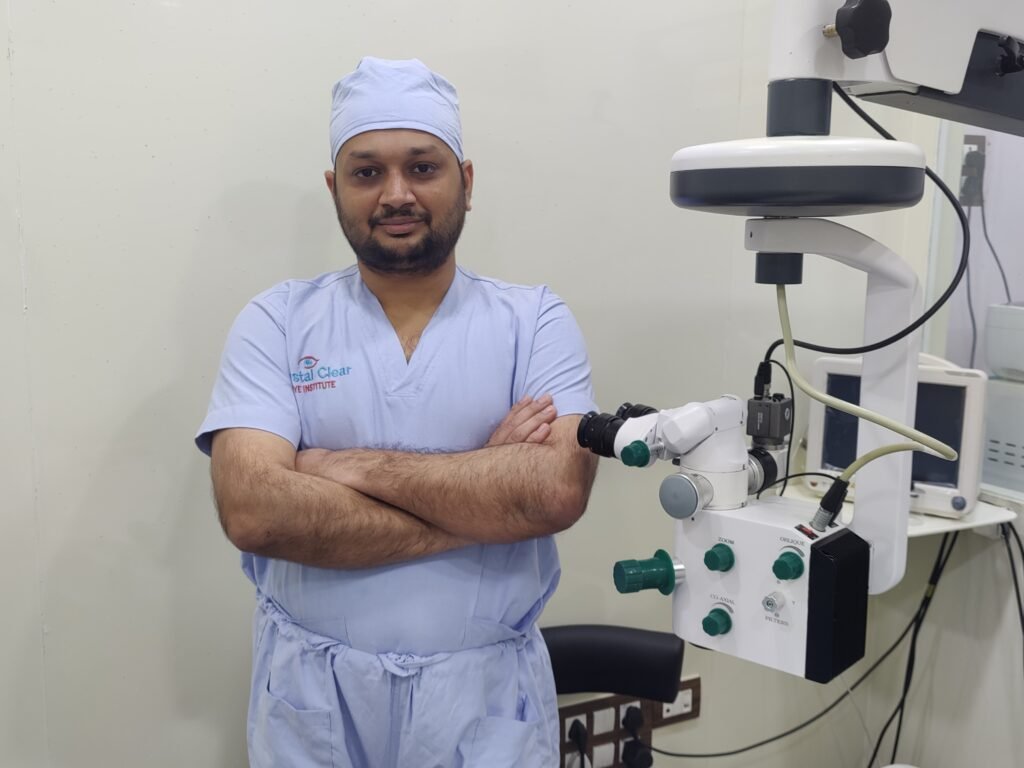
At Crystal Clear Eye Clinic in Andheri West, Mumbai, Dr. Jignesh M. Gala — a fellowship-trained eye surgeon — has treated thousands of patients with diabetes eye problems. “The tragedy,” he says, “is that most patients come to us only after their vision has already been permanently damaged. Diabetic blindness is almost entirely preventable.“
How Does Diabetes Affect the Eyes? The Science Behind Sugar and Eyesight
When you have diabetes, your blood sugar levels remain elevated over long periods. This excess glucose damages the tiny blood vessels in the retina — the light-sensitive tissue at the back of your eye that acts like the film in a camera. This condition is called diabetic retinopathy (DR), and it is the most serious diabetes eye problem you can develop.
What Happens Inside Your Eye When Blood Sugar Is High?
- Step 1: High blood glucose weakens the walls of retinal capillaries
- Step 2: Damaged vessels begin to leak fluid and blood into the retina
- Step 3: The retina swells, causing blurred or distorted vision (Diabetic Macular Edema)
- Step 4: New, abnormal blood vessels grow (neovascularization) — these are fragile and bleed easily
- Step 5: Scar tissue forms, which can pull the retina away from the eye wall (retinal detachment)
- Step 6: Permanent vision loss or diabetic blindness
Research by Teo et al., published in the Indian Journal of Ophthalmology (2021), confirms that diabetic retinopathy is the leading cause of blindness among working-age adults in India. For a country where the average diabetic is between 40-60 years old, this represents a devastating loss of productivity and quality of life.
Diabetic Macular Edema (DME): The #1 Cause of Vision Loss
While diabetic retinopathy affects the entire retina, Diabetic Macular Edema (DME) specifically damages the macula — the central part of the retina responsible for sharp, detailed vision. When fluid leaks into the macula, it swells like a sponge, causing:
- Blurred central vision
- Difficulty reading or recognizing faces
- Colors appearing washed out
- Progressive vision loss if left untreated
DME is the most common cause of vision loss in diabetic patients and often coexists with retinopathy.
The 4 Stages of Diabetic Retinopathy
Mild NPDR
Microaneurysms only. Usually no symptoms.
Moderate NPDR
More vessel damage. Some bleeding. Vision may blur.
Severe NPDR
Significant bleeding. Vision problems likely.
PDR
Abnormal vessel growth. High risk of blindness.
NPDR = Non-Proliferative Diabetic Retinopathy | PDR = Proliferative Diabetic Retinopathy
Besides retinopathy, diabetes can also cause:
- Diabetic cataracts: Sugar changes cause clouding of the eye’s natural lens at a younger age
- Neovascular glaucoma: Abnormal vessels block fluid drainage, raising eye pressure dangerously
- Cranial nerve palsies: High sugar damages eye movement nerves, causing double vision
5 Signs Your Diabetes Is Affecting Your Eyes
One of the most dangerous aspects of diabetic eye disease is that it often progresses silently. In the early stages, you may have absolutely no symptoms — your vision can appear perfectly normal while significant damage is occurring at the back of your eye. This is why regular screening is critical.
-
1Blurred or Fluctuating Vision
Your vision may become hazy or blurry, especially after meals when blood sugar spikes. Some patients notice their glasses prescription keeps changing frequently. This happens because high sugar causes the eye’s lens to swell, temporarily changing its focusing power. -
2Floaters or Dark Spots
Seeing small dark spots, cobwebs, or strings that float across your field of vision? These “floaters” can be tiny specks of blood leaking from damaged retinal vessels into the vitreous gel inside your eye. A sudden increase in floaters is a medical emergency. -
3Poor Night Vision
Difficulty driving at night, seeing in dim restaurants, or adjusting to dark rooms? Diabetes damages the rod cells in your retina that are responsible for low-light vision. If night vision is worsening, your sugar and eyesight connection needs immediate evaluation. -
4Distorted Central Vision
Straight lines appearing wavy or bent? Door frames looking curved? This is a classic sign of Diabetic Macular Edema (DME), where fluid accumulation in the macula distorts your central vision. This symptom specifically affects your ability to read, drive, and recognize faces. -
5Often NO Symptoms Until Vision Is Permanently Lost
This is the most critical sign of all — the absence of symptoms. In the early and moderate stages of diabetic retinopathy, your brain compensates so well that you may notice nothing wrong. By the time vision loss becomes apparent, the damage may be irreversible. Only a dilated eye exam by a diabetic eye specialist can detect these changes early.
- Sudden vision loss in one or both eyes
- A shower of new floaters or flashes of light
- A curtain-like shadow over your vision
- Severe eye pain with redness and blurred vision
Can Diabetes Actually Cause Blindness? The Honest Answer
Yes. Diabetes can and does cause permanent blindness. Diabetic retinopathy is the number one cause of preventable blindness among working-age adults in India (Teo et al., IJO, 2021).
Research published in the Indian Journal of Ophthalmology by KTM Favas et al. (2025) reports a diabetic retinopathy prevalence of 12.5% among Indian diabetics. With over 10 crore diabetics in the country, this means approximately 1.25 crore Indians have some form of diabetic retinopathy. Of these, an estimated 30 lakh (3 million) are at risk of vision-threatening diabetic retinopathy that can lead to complete blindness.
Why Are Indians Losing Vision to Diabetes?
Despite diabetes eye disease being highly treatable, Indian patients continue to lose their sight for three preventable reasons:
- No regular eye screening: The SMART India Study (Lancet Global Health, 2022) found that over 90% of Indian diabetics never get a dilated eye exam. Most patients visit an eye doctor only after significant vision loss has already occurred.
- Poor blood sugar control: Many Indian diabetics have poorly controlled HbA1c levels, which accelerates retinal damage. An HbA1c above 8% dramatically increases the risk of sight-threatening diabetic retinopathy.
- Lack of awareness: Most patients simply don’t know that diabetes can affect their eyes. There is a dangerous myth that “my vision is fine, so my eyes are healthy.”
According to the World Health Organization and major ophthalmology bodies, 95% of vision loss from diabetic retinopathy can be prevented with:
- Annual dilated eye examinations starting from the day of diabetes diagnosis
- Tight blood sugar, blood pressure, and cholesterol control
- Timely treatment with modern therapies like anti-VEGF injections and laser
The message is clear: diabetic blindness is not inevitable. It is the result of missed screenings and delayed treatment. If you are a diabetic, getting your eyes checked annually is as important as taking your diabetes medication.
Diabetic Eye Treatment: How to Prevent Blindness
Modern ophthalmology offers highly effective treatments for diabetic eye disease. The key principle is: earlier treatment = better outcomes. Here’s what effective diabetic eye care looks like:
1. Annual Dilated Eye Examination (Mandatory for ALL Diabetics)
Every person with diabetes — whether type 1 or type 2 — should undergo a comprehensive dilated eye exam at least once a year. At Crystal Clear Eye Clinic, Dr. Gala uses advanced diagnostic technology to detect the earliest signs of diabetic damage:
- OCT (Optical Coherence Tomography): A painless scan that creates detailed cross-sectional images of your retina, detecting even microscopic swelling in the macula
- Fundus Fluorescein Angiography (FFA): A specialized dye test that maps blood flow through retinal vessels, identifying exactly where leakage is occurring
- Fundus Photography: High-resolution retinal imaging to document and monitor changes over time
- Visual Field Testing: Detects peripheral vision loss from glaucoma or advanced retinopathy
2. Blood Sugar Control (HbA1c < 7%)
Tight glycemic control is the foundation of preventing diabetic blindness. Maintaining an HbA1c below 7% reduces the risk of diabetic retinopathy by up to 76%. Equally important is controlling:
- Blood pressure: Keep below 130/80 mmHg
- Cholesterol: LDL below 100 mg/dL
- Kidney function: Regular monitoring for diabetic nephropathy
3. Anti-VEGF Injections (Lucentis, Eylea, Avastin)
Anti-VEGF (Vascular Endothelial Growth Factor) injections are the gold standard treatment for Diabetic Macular Edema and active proliferative diabetic retinopathy. These medications are injected into the eye to:
- Block the growth of abnormal blood vessels
- Reduce fluid leakage from damaged vessels
- Stabilize and often improve vision
The landmark DRCR.net Protocol T study, published in Ophthalmology (2020), demonstrated that anti-VEGF therapy provides sustained visual benefit over 5 years in diabetic macular edema patients. Most patients require a series of monthly injections initially, followed by maintenance doses.
4. Laser Photocoagulation
Laser treatment uses focused light beams to seal leaking blood vessels and shrink abnormal new vessels. Two types are used:
- Focal/Grid Laser: Targets specific leaking areas in the macula for DME
- Panretinal Photocoagulation (PRP): Treats the peripheral retina in proliferative diabetic retinopathy to stop abnormal vessel growth
5. Vitrectomy Surgery (Advanced Cases)
For advanced diabetic retinopathy with significant vitreous hemorrhage or retinal detachment, vitrectomy surgery may be necessary. This microsurgical procedure removes the bloody vitreous gel and scar tissue from the eye, allowing the retina to heal and reattach.
Cost of Diabetic Eye Treatment in Mumbai
Understanding treatment costs helps you plan your eye care budget. Here are the typical costs for diabetic eye treatment in Mumbai:
| Treatment / Service | Cost Range (₹) | Notes |
|---|---|---|
| Comprehensive Diabetic Eye Consultation | ₹500 – ₹2,000 | Includes vision test, slit-lamp exam, eye pressure check |
| OCT Scan (Retina) | ₹1,500 – ₹3,000 | Essential for detecting macular edema |
| Fundus Fluorescein Angiography (FFA) | ₹2,500 – ₹4,500 | Maps blood vessel leakage patterns |
| Anti-VEGF Injection (Avastin) | ₹8,000 – ₹15,000 | Per injection; most affordable option |
| Anti-VEGF Injection (Eylea/Aflibercept) | ₹28,000 – ₹65,000 | Per injection; longer-acting formulation |
| Anti-VEGF Injection (Lucentis/Ranibizumab) | ₹25,000 – ₹40,000 | Per injection; widely studied |
| Laser Photocoagulation (Per Eye) | ₹3,000 – ₹5,000 | Single session; may need repeat |
| Vitrectomy Surgery | ₹45,000 – ₹1,00,000 | Advanced cases; includes hospital stay |
*Costs are indicative and may vary based on hospital, surgeon experience, and case complexity. Most treatments are covered under health insurance.
Is Diabetic Eye Treatment Covered by Insurance?
Yes. Most health insurance policies in India cover diabetic retinopathy treatment, including:
- OCT scans and diagnostic tests
- Anti-VEGF injections (subject to policy terms)
- Laser photocoagulation
- Vitrectomy surgery (usually covered as daycare/surgical procedure)
At Crystal Clear Eye Clinic, our team assists patients with cashless insurance processing for all major providers including Star Health, HDFC Ergo, ICICI Lombard, Bajaj Allianz, and Mediclaim policies.
Meet Dr. Jignesh Gala: Mumbai’s Trusted Diabetic Eye Specialist
Dr. Jignesh M. Gala
★★★★★ 4.9/5 (277+ Reviews)
With 12+ years of experience and 25,780+ surgeries performed, Dr. Gala is one of Mumbai’s most trusted names in diabetic eye care. He has successfully treated thousands of patients with diabetic retinopathy, macular edema, and diabetes-related vision complications.
At Crystal Clear Eye Clinic in Andheri West, Mumbai, Dr. Gala provides comprehensive, in-house diabetic eye care — from screening and diagnosis to advanced treatment and long-term management. Patients from Andheri, Lokhandwala, Versova, Juhu, Vile Parle, Goregaon, Santacruz, Khar, Malad, Jogeshwari, Kandivali, and Bandra trust Dr. Gala for their diabetic eye care needs. If you’re searching for the best diabetic eye doctor near me in Mumbai’s western suburbs, Dr. Gala’s clinic offers same-day appointments and walk-in consultations.
Why Choose Crystal Clear Eye Clinic for Diabetic Eye Care?
- Complete diagnostic suite in-house: OCT, FFA, fundus photography, visual field testing — all under one roof
- All treatments available on-site: Anti-VEGF injections (Lucentis, Eylea, Avastin), laser photocoagulation, and surgical facilities
- Same-day emergency appointments: For sudden vision changes, vitreous hemorrhage, or retinal detachment
- Personalized treatment plans: Every patient receives a customized care plan based on their DR stage and overall health
- Insurance assistance: Cashless processing for all major health insurance providers
- Convenient location: A1-202, Laram Centre, SV Road, Andheri West — easily accessible from all Western suburbs
🩺 Book Your Diabetic Eye Checkup Today
Don’t wait for vision problems to appear. If you have diabetes, you need an annual eye exam — starting today. A 30-minute screening could save your eyesight for a lifetime.
+91 77188 85245Call or WhatsApp for same-day appointments
💬 Book on WhatsApp
📍 Crystal Clear Eye Clinic — A1-202, Laram Centre, SV Road, Andheri West, Mumbai 400058
🌐 crystalcleareye.in | drjigneshgalaeye.com | 📺 YouTube: @DrJMgala
Frequently Asked Questions About Diabetic Eye Disease
Yes, diabetes can cause permanent blindness if diabetic retinopathy is left untreated. Diabetic retinopathy is the leading cause of blindness among working-age adults in India (Teo et al., IJO, 2021). However, 95% of diabetes-related vision loss is preventable with early detection and timely treatment. Once the retina is severely damaged or detached, vision cannot always be restored. This is why annual eye screening is essential for every diabetic patient — even those with perfect vision.
Diabetes affects the eyes by damaging the tiny blood vessels in the retina due to chronically high blood sugar. This condition is called diabetic retinopathy. The damage occurs in stages: first, weakened vessel walls develop tiny bulges (microaneurysms); then vessels begin leaking fluid and blood; finally, abnormal new vessels grow that can bleed and cause scarring. Diabetes also increases the risk of cataracts, glaucoma, and macular edema — all of which can impair vision.
The truth is — there are often NO early signs. Diabetic retinopathy frequently progresses silently in its initial stages. When symptoms do appear, they may include: blurred or fluctuating vision, seeing floaters or dark spots, poor night vision, and distorted central vision (straight lines appearing wavy). By the time these symptoms appear, the disease may already be at an advanced stage. Never wait for symptoms — get screened annually.
Every person with diabetes should have a comprehensive dilated eye exam at least once a year, starting from the time of diabetes diagnosis. If you already have diabetic retinopathy, your eye doctor may recommend more frequent visits — every 3 to 6 months depending on the severity. Type 1 diabetics should begin annual screening within 5 years of diagnosis. Pregnant women with diabetes need special monitoring, as pregnancy can accelerate retinopathy changes.
Early-stage diabetic retinopathy can be stabilized and sometimes partially reversed with tight blood sugar control and treatment. However, advanced retinopathy with significant retinal damage or scarring cannot be fully reversed. Anti-VEGF injections and laser treatment can stop progression and often improve vision in cases of diabetic macular edema. The key message is: early intervention saves sight. Once vision is lost to advanced diabetic retinopathy, it cannot be recovered. Prevention through regular screening is always better than treatment.
The cost of diabetic eye treatment in Mumbai varies by treatment type. A comprehensive consultation costs ₹500–2,000. OCT scans are ₹1,500–3,000. Anti-VEGF injections range from ₹8,000 (Avastin) to ₹65,000 (Eylea) per injection. Laser photocoagulation costs ₹3,000–5,000 per session. Vitrectomy surgery for advanced cases ranges from ₹45,000–1,00,000. Most treatments are covered by health insurance. At Crystal Clear Eye Clinic in Andheri West, we offer transparent pricing and assist with cashless insurance processing.
Yes, most diabetic eye treatments are covered by health insurance in India. This includes diagnostic tests (OCT, FFA), anti-VEGF injections, laser photocoagulation, and vitrectomy surgery. Coverage varies by insurance provider and policy terms. Major insurers like Star Health, HDFC Ergo, ICICI Lombard, Bajaj Allianz, and PSU Mediclaim policies typically cover these treatments. At Crystal Clear Eye Clinic, Andheri West, our staff assists patients with cashless insurance processing and claim documentation.
Preventing diabetic blindness requires a proactive approach:
- Get an annual dilated eye exam — starting now, regardless of your vision quality
- Keep HbA1c below 7% — this is the single most effective prevention measure
- Control blood pressure — aim for below 130/80 mmHg
- Manage cholesterol — keep LDL below 100 mg/dL
- Don’t smoke — smoking accelerates retinal damage
- Exercise regularly — improves blood sugar control and circulation
- Report vision changes immediately — don’t wait for your annual check if you notice symptoms
Following these steps can reduce your risk of diabetic blindness by up to 95%.
Related Articles
- Diabetic Retinopathy Treatment: Complete Guide to Saving Your Vision
- Anti-VEGF Injections for Diabetic Macular Edema: What to Expect
- Best Eye Hospital in Andheri West for Retinal Treatment
Watch: Diabetic Eye Care on YouTube
Learn more about diabetic eye disease from Dr. Jignesh Gala’s educational videos on YouTube: @DrJMgala. Subscribe for regular eye health tips in Hindi and English.
👁️ Your Eyes Are Too Precious to Risk — Get Screened Today
If you or a loved one has diabetes, don’t take chances with your eyesight. Schedule a comprehensive diabetic eye screening with Dr. Jignesh Gala at Crystal Clear Eye Clinic, Andheri West.
📱 +91 77188 85245Call or WhatsApp now — Same-day appointments available