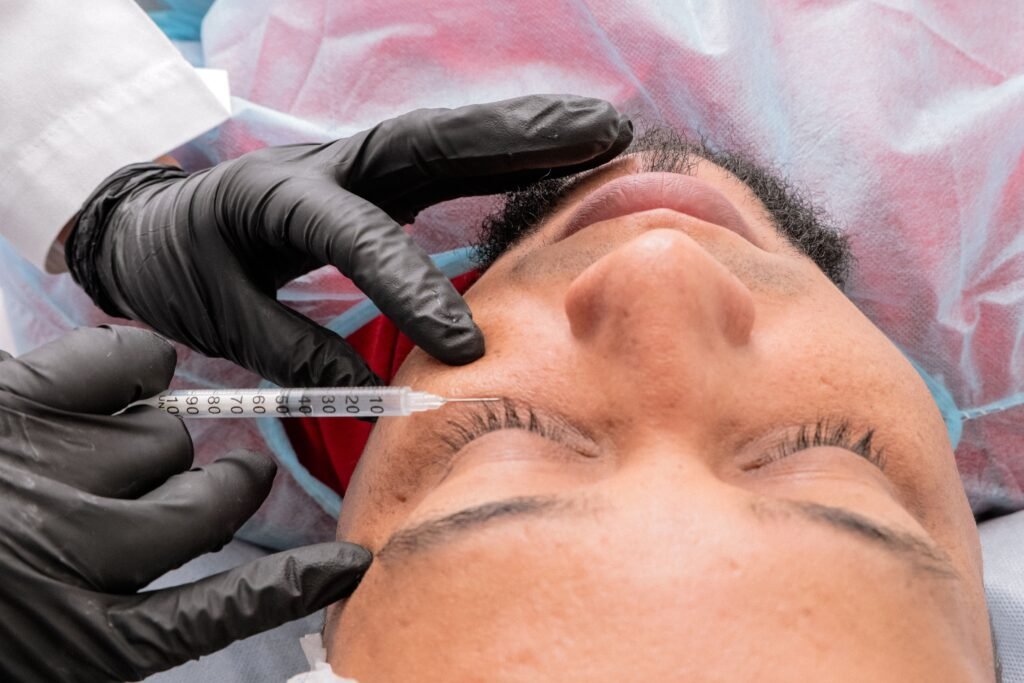
What Is an Eye Injection and Why Is It Needed? Complete Guide
Everything you need to know about intravitreal injections – from types and conditions treated to procedure, safety & cost in Mumbai. Written by a leading retina specialist.
Thank you for reading this post, don't forget to subscribe!Being told you need an injection in your eye can sound scary. Most patients feel anxious at first – and that is completely natural.
But here is the truth: intravitreal injections are one of the most common and effective eye treatments in modern medicine. Millions of injections are given safely worldwide every year. The procedure takes just a few minutes, and most patients resume normal activities the same day.
At Crystal Clear Eye Clinic in Andheri West, Mumbai, Dr. Jignesh Gala has performed thousands of these injections for patients from Andheri, Lokhandwala, Versova, Juhu, Vile Parle, Goregaon, Santacruz, Khar, Malad, Jogeshwari, Kandivali, and Bandra. This guide will answer every question you have about eye injections – in plain, easy-to-understand language.
What Is an Intravitreal Injection?
An intravitreal injection is an injection given directly into the vitreous – the clear gel-like substance that fills the inside of your eye. The medication is delivered close to the retina, where it can work most effectively. This method ensures the highest concentration of medicine reaches exactly where it is needed.
Unlike eye drops or tablets that may not reach the retina in sufficient amounts, an injection in the eye delivers the drug precisely to the target tissue. This makes it the gold standard treatment for several serious retinal conditions.
Quick Facts About Eye Injections:
- Given in the doctor’s office (OPD procedure)
- Takes approximately 5 to 10 minutes total
- Numbing eye drops are used – minimal discomfort
- No stitches or bandages required
- You can go home immediately after
The procedure is performed using a very fine needle (30 gauge – thinner than a hair). Most patients describe only mild pressure or a slight sting that lasts a few seconds. Your eye will be cleaned with povidone-iodine solution to prevent infection, and a small device called a speculum keeps your eyelids gently open.
There are several types of eye injections, each designed for specific conditions:
- Anti-VEGF injections – block abnormal blood vessel growth
- Steroid injections – reduce inflammation and swelling
- Antibiotic injections – treat serious eye infections
5 Conditions Treated with Eye Injections
Eye injection treatment has revolutionised how we manage several sight-threatening retinal diseases. Here are the five most common conditions treated at our eye injection hospital in Andheri West:
1. Diabetic Macular Edema (DME)
Diabetic macular edema is the most common reason for eye injection in diabetes patients. High blood sugar damages blood vessels in the retina, causing fluid to leak into the macula – the central part of the retina responsible for sharp vision. This leads to blurry, distorted central vision.
Anti-VEGF injections block the chemical (VEGF) that causes blood vessels to leak. Research from the DRCR.net Protocol T study published in Ophthalmology (2020) showed sustained visual benefit over 5 years with anti-VEGF therapy for DME. (DRCR.net Protocol T, Ophthalmology, 2020)
2. Wet Age-Related Macular Degeneration (AMD)
Wet AMD occurs when abnormal blood vessels grow under the retina and leak fluid or bleed. It is the leading cause of vision loss in people over 50. Without treatment, wet AMD can cause rapid and severe central vision loss.
Anti-VEGF injections are the standard treatment for wet AMD. Studies by Chen et al., published in European Journal of Ophthalmology (2024), confirmed that both Aflibercept (Eylea) and Ranibizumab (Lucentis) are highly effective at stabilising and improving vision in wet AMD patients. (Chen et al., European J Ophthalmology, 2024)
3. Retinal Vein Occlusion (RVO)
Retinal vein occlusion happens when a vein draining blood from the retina gets blocked – similar to a stroke in the eye. This causes bleeding, swelling, and vision loss. There are two types: BRVO (branch retinal vein occlusion) and CRVO (central retinal vein occlusion).
Eye injections reduce the macular swelling caused by RVO. Both anti-VEGF agents and steroid implants like Ozurdex are used depending on the type and severity. Early treatment gives the best visual outcomes.
4. Proliferative Diabetic Retinopathy (PDR)
In proliferative diabetic retinopathy, new abnormal blood vessels grow on the retina’s surface. These vessels are fragile and can bleed into the eye, causing severe vision loss. Anti-VEGF injections help shrink these abnormal vessels and prevent bleeding.
In many cases, injections are combined with laser treatment (pan-retinal photocoagulation) for best results. Regular monitoring is essential for diabetic patients to catch PDR early.
5. Uveitis with Macular Edema
Uveitis is inflammation inside the eye. When it causes swelling in the macula (macular edema), vision becomes blurry. Steroid injections or implants like Ozurdex and Iluvien are highly effective at reducing this inflammation and restoring vision.
Important Warning: If you have diabetes and notice blurry, distorted, or wavy vision, do not delay. Early treatment with eye injections can prevent permanent vision loss. Book a retina check-up with Dr. Gala today.
Types of Eye Injections Available
Understanding the different types of eye injections helps you have an informed discussion with your retina specialist. At Crystal Clear Eye Clinic, we offer all major injection types:
Anti-VEGF Injections
Anti-VEGF (Anti-Vascular Endothelial Growth Factor) medications block a protein called VEGF that causes abnormal blood vessel growth and leakage. These are the most commonly used eye injections:
- Bevacizumab (Avastin / Razumab) – Most affordable option, widely used
- Ranibizumab (Lucentis) – FDA-approved, extensive safety data
- Aflibercept (Eylea) – Binds VEGF more strongly, longer duration
- Faricimab (Vabysmo) – Newest option, dual mechanism, longest-lasting
Faricimab (Vabysmo) – The Newest Innovation
Faricimab is a breakthrough medication that blocks two pathways – both VEGF and Ang-2. This dual action allows for extended dosing intervals. The landmark TENAYA and LUCERNE trials showed that 59-67% of patients could be maintained on 16-week (4-month) dosing intervals with Faricimab. (Heier et al., TENAYA/LUCERNE Trials, 2022-2023)
This means fewer injections, fewer hospital visits, and sustained vision improvement – a significant quality-of-life advantage for patients requiring long-term treatment.
Steroid Implants
- Dexamethasone implant (Ozurdex) – Lasts 3-4 months, good for RVO and uveitis
- Fluocinolone acetonide implant (Iluvien) – Lasts up to 36 months for DME
Antibiotic Injections
Used rarely but urgently for endophthalmitis – a severe infection inside the eye. Antibiotics like Vancomycin and Ceftazidime are injected directly into the vitreous to control the infection and save vision.
The Eye Injection Procedure – Step by Step
Knowing exactly what happens during an eye injection helps reduce anxiety. Here is the complete process at our clinic:
- Numbing eye drops are applied to the eye. These take 5-10 minutes to fully anaesthetise the surface. You will feel no pain during the injection – only slight pressure.
- Povidone-iodine cleaning – The eyelids and surrounding area are thoroughly cleaned with antiseptic solution. This is the most critical step for preventing infection.
- A small device called a speculum is placed to gently hold your eyelids open. You cannot blink during the brief procedure, but the numbing drops ensure comfort.
- The doctor administers the injection using an ultra-fine 30G needle. The actual injection takes only 5-10 seconds. You may feel mild pressure but no sharp pain.
- Antibiotic eye drops are instilled immediately after the injection.
- The total time from entering the injection room to leaving is 10-15 minutes.
- You can go home immediately. No patch is usually needed.
Pro Tip: Try not to talk or move your head during the injection. Focus on a point on the ceiling. The procedure is over before you know it. Most patients say, “Is that it? That was so quick!”
After the Injection – What to Expect
- Mild redness on the white of the eye (subconjunctival haemorrhage) – normal and harmless, clears in 1-2 weeks
- Slight gritty or scratchy sensation for a few hours
- Small floaters or bubbles in vision – resolve within 24-48 hours
- Use prescribed antibiotic eye drops for 3-5 days
- Avoid rubbing the eye, swimming, or dusty environments for 3 days
- Follow-up visit typically scheduled in 4-6 weeks
Watch our video on the injection procedure on Dr. Gala’s YouTube channel: @DrJMgala
Is Eye Injection Safe? Side Effects & Cost in Mumbai
Safety Profile
Eye injections are extremely safe when performed by an experienced retina specialist. The risk of serious infection (endophthalmitis) is very low. According to a 2025 study by Gangwe et al., published in Ophthalmology Retina, the endophthalmitis rate after intravitreal injections ranges from 0.019% to 0.07% – that is fewer than 1 in 1,400 injections. (Gangwe et al., Ophthalmology Retina, 2025)
Additionally, research confirms that bilateral same-day anti-VEGF injections (both eyes on the same day) are safe and do not increase infection risk. This saves patients time and travel, especially those coming from areas like Versova, Juhu, Goregaon, and Kandivali.
Common Side Effects (Mild and Temporary)
- Red spot on the white of the eye (subconjunctival haemorrhage)
- Mild irritation or scratchy feeling for 1-2 days
- Temporary floaters or small bubbles in vision
- Slightly blurred vision for a few hours
Serious Complications (Extremely Rare)
- Endophthalmitis (eye infection) – 0.019-0.07% risk
- Retinal detachment – extremely rare
- Increased eye pressure – usually temporary
- Cataract progression – with steroid implants
Seek immediate care if you experience: Severe pain, increasing redness after 48 hours, significant vision loss, pus discharge, or increasing sensitivity to light.
Eye Injection Cost in Mumbai (2025)
The eye injection cost in Mumbai varies based on the medication used. Here is a transparent price guide at Crystal Clear Eye Clinic:
| Injection Type | Approximate Cost (Per Injection) |
|---|---|
| Bevacizumab (Avastin) | ₹8,000 – ₹15,000 |
| Razumab (Biosimilar) | ₹15,000 – ₹25,000 |
| Ranibizumab (Lucentis) | ₹18,000 – ₹25,000 |
| Aflibercept (Eylea) | ₹28,000 – ₹65,000 |
| Dexamethasone (Ozurdex) | ₹40,000 – ₹50,000 |
| Faricimab (Vabysmo) | ₹45,000 – ₹65,000 |
Note: Costs include the medication, procedure charges, and post-injection care. We offer insurance support and EMI options for eligible patients. Contact us for exact pricing based on your specific condition.
Meet Dr. Jignesh Gala – Retina Injection Specialist in Mumbai
Dr. Jignesh M. Gala
FRCS (Glasgow) | MRCS (Edinburgh) | FICO (London)
Dr. Jignesh Gala is a fellowship-trained Vitreoretinal Surgeon and one of the most experienced retina injection specialists in Mumbai. With over 25,780 surgeries performed and thousands of intravitreal injections administered, he brings exceptional expertise to every patient.
Dr. Gala offers all anti-VEGF injection options including the latest Faricimab (Vabysmo) for extended dosing intervals. His clinic is equipped with advanced diagnostic technology including OCT (Optical Coherence Tomography) and Fundus Fluorescein Angiography (FFA) for precise diagnosis and treatment planning.
Conveniently located on SV Road, Andheri West, the clinic serves patients from across Mumbai’s western suburbs including Lokhandwala, Versova, Juhu, Vile Parle, Goregaon, Santacruz, Khar, Malad, Jogeshwari, Kandivali, and Bandra.
Book Your Retina Consultation Today
Experiencing blurry vision? Have diabetes or AMD? Don’t delay treatment. Early intervention with eye injections can save your sight.
WhatsApp: +91 77188 85245 Call NowWhy Choose Crystal Clear Eye Clinic for Eye Injections?
- All injection options available – Avastin, Razumab, Lucentis, Eylea, Ozurdex, and Faricimab
- Transparent pricing – No hidden costs, detailed cost breakdown provided
- Insurance support – We assist with cashless and reimbursement claims
- Advanced diagnostics – Latest OCT and FFA for accurate monitoring
- Patient comfort priority – Painless numbing, quick procedure, compassionate care
- Flexible appointments – Morning and evening slots available
- Trusted by 25,000+ patients – 4.9/5 rating from 277+ reviews
Frequently Asked Questions About Eye Injections
1. Does an eye injection hurt?
No. Numbing eye drops are applied 5-10 minutes before the procedure. You will feel only mild pressure, similar to a finger pressing on the eye. The actual injection takes 5-10 seconds. Most patients are surprised by how comfortable it is.
2. How long does an eye injection take?
The entire process – from numbing to completion – takes 10-15 minutes. The actual injection is done in 5-10 seconds. You can go home immediately after with no restrictions on normal activities.
3. How many eye injections will I need?
It depends on the condition. Typically, a loading dose of 3 monthly injections is given initially. After that, the interval may be extended based on your response. With newer medications like Faricimab, many patients can go 4 months between injections. Some conditions require ongoing treatment for years, while others may need only a few injections.
4. What are the side effects of eye injections?
Common side effects include mild redness on the white of the eye, slight irritation for 1-2 days, and temporary floaters. Serious complications like infection are extremely rare (0.019-0.07% risk). Your doctor will discuss all risks before treatment.
5. Can I drive after an eye injection?
Most patients can drive after an hour or two, once any immediate blurriness clears. However, it is advisable to bring someone with you for the first injection to be safe. Avoid driving if you feel any significant blurring or discomfort.
6. What is the cost of eye injection in Mumbai?
The cost ranges from ₹8,000 to ₹65,000 per injection depending on the medication. Avastin is the most affordable (₹8,000-15,000), while newer options like Faricimab cost more (₹45,000-65,000) but require fewer injections. At Crystal Clear Eye Clinic, we offer transparent pricing and insurance support.
7. Is eye injection safe?
Yes, very safe. Millions of eye injections are performed worldwide every year. The risk of serious infection is extremely low (0.019-0.07%). When performed by an experienced retina specialist like Dr. Jignesh Gala in a sterile environment, the procedure is one of the safest in ophthalmology.
8. What is Faricimab (Vabysmo) injection?
Faricimab (brand name Vabysmo) is the newest anti-VEGF injection that blocks two pathways (VEGF and Ang-2). Clinical trials showed that 59-67% of patients can be treated every 16 weeks instead of every 4-8 weeks. This means fewer injections, fewer visits, and maintained vision. It is ideal for patients requiring long-term treatment for conditions like wet AMD and DME.
Don’t Let Retinal Disease Steal Your Vision
Whether you have diabetic eye disease, wet AMD, or retinal vein occlusion – early treatment with eye injections can preserve and improve your sight. Schedule your consultation with Dr. Jignesh Gala, leading retina specialist in Andheri West.
WhatsApp: +91 77188 85245 Visit Our WebsiteCrystal Clear Eye Clinic | A1-202, Laram Centre, SV Road, Andheri West, Mumbai 400058