Optic Nerve Disorder & Nystagmus Evaluation in Mumbai
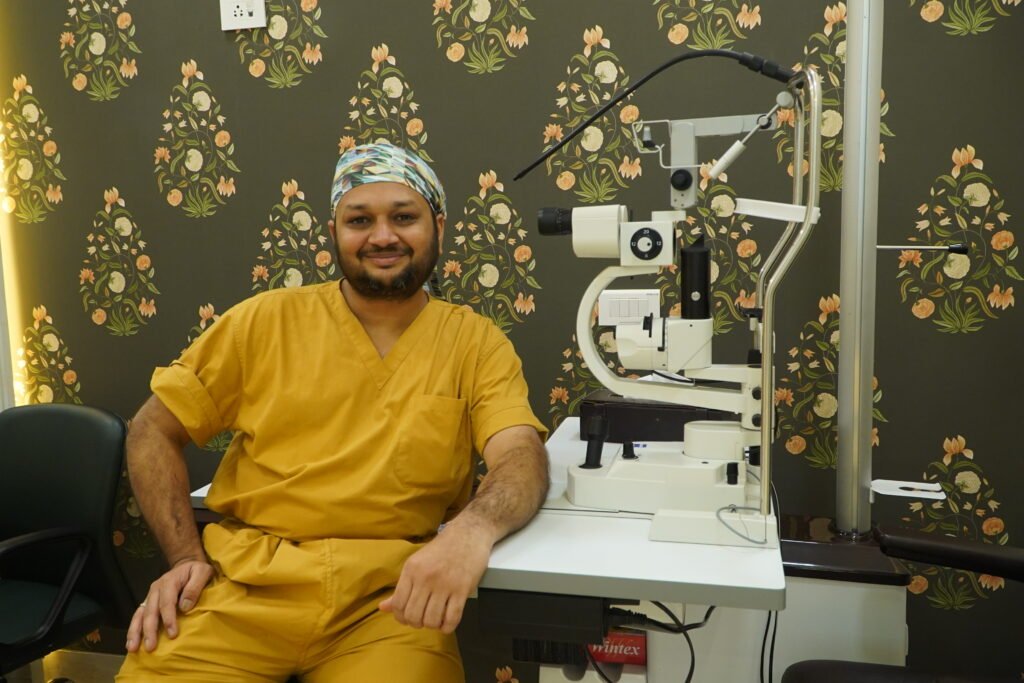
Advanced neuro-ophthalmic care by Dr. Jignesh Gala (FRCS Glasgow, BMJ Peer Reviewer) at Crystal Clear Eye Clinic, Andheri West. Comprehensive evaluation with VEP, OCT & neuroimaging correlation for accurate diagnosis of optic nerve diseases and nystagmus.
Thank you for reading this post, don't forget to subscribe!
What Are Optic Nerve Disorders?
Understanding the vital connection between your eyes and brain
The optic nerve is essentially the “cable” that connects your eye to your brain, carrying visual information from the retina to the visual cortex. When this critical pathway is damaged, vision loss can occur even when the eye itself is perfectly healthy. This is why optic nerve disorders require specialized neuro-ophthalmic evaluation.
Optic nerve disorders can affect patients of all ages – from newborns with congenital abnormalities to adults with acquired conditions like optic neuritis or papilledema. Early detection through specialized testing is absolutely critical, as some conditions are reversible if treated promptly, while delayed diagnosis can lead to permanent vision loss.
At Crystal Clear Eye Clinic in Andheri, Dr. Jignesh Gala provides comprehensive evaluation and management of all optic nerve disorders using state-of-the-art diagnostic technology including VEP (Visual Evoked Potential), OCT (Optical Coherence Tomography), and coordinated neuroimaging.

Types of Optic Nerve Disorders We Evaluate
Comprehensive diagnosis and management of all optic nerve conditions at our Andheri clinic
🔬 A. Optic Nerve Hypoplasia (ONH)
Optic Nerve Hypoplasia is a congenital condition where the optic nerve is underdeveloped. It is the most common cause of congenital blindness in children and requires early diagnosis and multidisciplinary management.
Associated Conditions:
- Hormonal deficiencies (growth hormone, thyroid, cortisol)
- Midline brain abnormalities (agenesis of corpus callosum, septo-optic dysplasia)
- Developmental delay and autism spectrum disorders
Evaluation Protocol:
- Comprehensive visual acuity assessment (age-appropriate)
- Visual field testing
- OCT of retinal nerve fiber layer (RNFL thickness is reduced)
- MRI brain to assess midline structures and pituitary gland
- Endocrine evaluation for hormone deficiencies
Management: Hormone replacement therapy when indicated, visual rehabilitation, low vision aids, early intervention programs, and coordinated care with pediatric endocrinologist and neurologist.
🔬 B. Optic Nerve Atrophy
Optic Nerve Atrophy refers to the degeneration of optic nerve fibers after initial normal development. It represents the end-stage of many optic nerve diseases and is characterized by pallor of the optic disc on fundus examination.
Common Causes:
- Glaucoma (chronic pressure damage)
- Optic neuritis (inflammatory damage)
- Compressive lesions (tumors, aneurysms)
- Hereditary optic neuropathies (Leber’s Hereditary Optic Neuropathy, Dominant Optic Atrophy)
- Trauma (direct or indirect optic nerve injury)
- Ischemia (anterior ischemic optic neuropathy)
- Toxic/nutritional deficiencies
Evaluation: Detailed history taking, color vision testing (Ishihara, Farnsworth D15), pupil assessment for Relative Afferent Pupillary Defect (RAPD), Visual Evoked Potential (VEP), OCT for RNFL and ganglion cell analysis, MRI/CT imaging, and blood tests for toxic/metabolic causes.
Management: Treatment focuses on the underlying cause when identifiable. Neuro-protection strategies, management of associated conditions, and visual rehabilitation form the cornerstone of care. Early intervention at Crystal Clear Eye Clinic can prevent further progression.
🚨 C. Papilledema (Optic Disc Edema) URGENT
Papilledema is swelling of the optic nerve head due to increased intracranial pressure. It is NOT a primary eye disease – it indicates a serious brain or systemic problem requiring immediate attention.
Causes:
- Brain tumors (primary or metastatic)
- Hydrocephalus
- Meningitis or encephalitis
- Idiopathic Intracranial Hypertension (IIH) – commonly seen in overweight women
- Severe uncontrolled hypertension
- Cerebral venous sinus thrombosis
- Subdural hematoma
Symptoms: Transient visual obscurations (brief episodes of dimming vision), headache (often worse on waking), double vision (due to sixth nerve palsy), nausea/vomiting, and pulsatile tinnitus.
Comprehensive Evaluation:
- Fundus photography for documentation
- OCT – peripapillary RNFL thickness measurement and optic disc volume
- Visual field testing (enlarged blind spot is characteristic)
- MRI brain with contrast and MR venography (MRV)
- Lumbar puncture for opening pressure and CSF analysis
Management: Coordinated care with neurologist and neurosurgeon. Treatment of underlying cause, acetazolamide for IIH, surgical interventions (shunt, optic nerve sheath fenestration) when indicated. Regular monitoring of vision is critical.
🔬 D. Optic Neuritis
Optic Neuritis is inflammation or demyelination of the optic nerve. It is frequently associated with Multiple Sclerosis (MS) and Neuromyelitis Optica (NMO/Devic’s disease). Prompt diagnosis and treatment are essential to preserve vision.
Key Symptoms:
- Sudden vision loss (over hours to days)
- Pain with eye movement (highly characteristic)
- Color desaturation (especially red colors appear washed out)
- Decreased contrast sensitivity
- Uhthoff’s phenomenon (vision worsens with heat/exercise)
Evaluation Protocol:
- Visual acuity assessment and color vision testing
- Relative Afferent Pupillary Defect (RAPD) testing
- Visual Evoked Potential (VEP) – delayed P100 latency is characteristic
- MRI brain and orbits with contrast (detects demyelinating plaques)
- Serum NMO-IgG antibodies (AQP4 antibodies) to rule out NMO
- MOG antibody testing for MOG-associated disease
Management: High-dose intravenous methylprednisolone (1g/day for 3-5 days) followed by oral taper. Plasma exchange for severe or steroid-unresponsive cases. Long-term immunomodulatory therapy for MS or NMO. Coordinated care with neurologist essential.
🔬 E. Compressive Optic Neuropathy
Compressive Optic Neuropathy occurs when external pressure is applied to the optic nerve, causing gradual progressive vision loss. Early diagnosis and decompression can restore vision in many cases.
Causes of Compression:
- Orbital tumors (optic nerve sheath meningioma, glioma, hemangioma)
- Intracranial tumors (pituitary adenoma, craniopharyngioma, meningioma)
- Cerebral aneurysms (especially posterior communicating artery)
- Thyroid eye disease (orbital apex compression)
- Traumatic bone fragments
- Orbital abscess or fungal infection (mucormycosis)
Evaluation: Visual Evoked Potential (VEP) shows progressive amplitude reduction, visual fields reveal characteristic patterns (chiasmal compression causes bitemporal hemianopia), MRI/CT orbits and brain with contrast is the gold standard imaging.
Management: Surgical decompression for accessible lesions, radiation therapy (especially for meningiomas), medical management of thyroid eye disease, or close observation with regular monitoring in select cases. Coordinated care with neurosurgeon and ENT specialist.
Nystagmus Evaluation
Specialized assessment and management of abnormal eye movements by Mumbai’s leading neuro-ophthalmologist
What is Nystagmus?
Nystagmus is characterized by involuntary, rhythmic eye movements that can significantly reduce vision and cause oscillopsia (the sensation that the world is constantly moving). Nystagmus can be congenital (present from birth) or acquired (due to neurological disease).
It is critically important to differentiate between congenital and acquired nystagmus. Congenital nystagmus is typically stable and not associated with progressive neurological disease. Acquired nystagmus is always concerning and may indicate serious underlying neurological, metabolic, or toxic conditions requiring urgent evaluation.
At Crystal Clear Eye Clinic, Andheri, Dr. Jignesh Gala provides comprehensive nystagmus evaluation using the latest diagnostic technology and child-friendly assessment techniques.
Types of Nystagmus We Evaluate
👶 Infantile (Congenital) Nystagmus
Present within first 6 months of life. Associated with albinism, optic nerve hypoplasia, achromatopsia, and aniridia. Typically horizontal and dampens with convergence.
🧒 Spasmus Nutans
Acquired nystagmus in toddlers characterized by rapid, small-amplitude eye movements, head nodding, and torticollis (abnormal head posture). Typically resolves spontaneously within 1-2 years but requires evaluation to rule out optic pathway glioma.
👁️ Latent Nystagmus
Occurs when one eye is covered. Associated with infantile esotropia (crossed eyes). The nystagmus beats toward the uncovered eye. Important to assess before any strabismus surgery.
🧠 Acquired Pendular Nystagmus
Seen in Multiple Sclerosis, brainstem stroke, and Whipple’s disease. Indicates serious neurological disease requiring urgent evaluation and management.
👤 Gaze-Evoked Nystagmus
Appears when looking to the side. Caused by cerebellar or brainstem disease, medication side effects (anticonvulsants, sedatives), or alcohol intoxication. Asymmetric gaze-evoked nystagmus is concerning.
⬇️ Downbeat Nystagmus
Eyes drift upward and corrective movement is downward. Classic for Chiari malformation (cerebellar tonsils descend into spinal canal), cerebellar degeneration, and medication toxicity. Requires MRI brain.
⬆️ Upbeat Nystagmus
Eyes drift downward with corrective upward movement. Indicates brainstem lesion, Wernicke’s encephalopathy (thiamine deficiency), or cerebellar disease. Urgent neurological evaluation required.
🔄 Periodic Alternating Nystagmus (PAN)
Nystagmus direction changes periodically (every 90-120 seconds). Associated with Arnold-Chiari malformation, neurodegenerative diseases, and can be acquired after vision loss. Baclofen is the treatment of choice.
Our Comprehensive Nystagmus Evaluation Protocol
Detailed History
We take a thorough history including onset of nystagmus, family history of eye disorders, current medications, history of trauma, associated neurological symptoms, and developmental milestones in children.
Visual Acuity & Null Point
Specialized visual acuity assessment with determination of the null point – the gaze position where nystagmus is minimal and vision is best. This guides treatment planning.
OCT – Fovea & RNFL
Optical Coherence Tomography assesses foveal development (foveal hypoplasia in albinism) and retinal nerve fiber layer thickness to evaluate associated optic nerve conditions.
Electroretinography (ERG)
ERG evaluates retinal function and helps diagnose associated retinal dystrophies like achromatopsia and congenital stationary night blindness that may accompany nystagmus.
Visual Evoked Potential (VEP)
VEP assesses the integrity of the visual pathway from retina to brain. Abnormal VEP suggests optic nerve or visual pathway dysfunction as the cause of nystagmus.
Video Nystagmography
Advanced eye movement recordings capture the exact waveform, amplitude, frequency, and direction of nystagmus. This helps classify the type and guides treatment decisions.
MRI Brain & Orbits
Magnetic resonance imaging rules out structural lesions like optic nerve glioma, Chiari malformation, brainstem strokes, and demyelinating disease causing acquired nystagmus.
Genetic Testing
When hereditary conditions like albinism, achromatopsia, or hereditary optic neuropathies are suspected, genetic testing provides definitive diagnosis and counselling.
Nystagmus Treatment Options at Crystal Clear Eye Clinic
👓 Corrective Lenses with Prism
Prismatic lenses shift the image toward the null point, reducing head turn and improving vision. This is often the first-line treatment for congenital nystagmus with torticollis.
👁️ Contact Lenses
Contact lenses can dampen nystagmus by providing proprioceptive feedback to the eyelids. Specially designed rigid gas permeable lenses may offer better visual outcomes than glasses.
💊 Medications
Gabapentin, memantine, and baclofen have shown efficacy in reducing nystagmus amplitude and improving visual function. Botulinum toxin injections may help in select cases.
🔧 Surgical Options
Anderson-Kestenbaum procedure for torticollis correction, tenotomy and reattachment to dampen nystagmus, and strabismus surgery when co-existing. Surgery is tailored to each patient.
At Crystal Clear Eye Clinic, Andheri, we use a personalized approach to nystagmus management, combining optical, medical, and surgical treatments based on the type and severity of nystagmus. Call 077188 85245 for consultation.
Advanced Diagnostic Technology
State-of-the-art equipment for accurate diagnosis of optic nerve disorders and nystagmus at Crystal Clear Eye Clinic, Andheri

A Visual Evoked Potential (VEP)
VEP measures electrical signals from the brain’s visual cortex in response to visual stimuli. It evaluates the integrity of the entire visual pathway from the retina through the optic nerve to the brain.
Types:
- Pattern VEP (PVEP): Uses checkerboard patterns, ideal for cooperative patients. Assesses central vision and macular pathway.
- Flash VEP (FVEP): Uses flashing light, suitable for infants and uncooperative patients. Assesses overall visual pathway integrity.
An abnormal VEP (delayed latency or reduced amplitude) indicates optic nerve or visual pathway dysfunction. VEP is critical for diagnosing optic neuritis, compressive neuropathy, amblyopia, functional vision loss, and malingering.
B Optical Coherence Tomography (OCT)
OCT provides high-resolution cross-sectional imaging of the retina and optic nerve, enabling precise measurement of structures invisible to routine examination.
Key Applications:
- Peripapillary RNFL thickness: Early detection of optic nerve damage in glaucoma, optic neuritis, and compressive lesions
- Ganglion cell analysis: Detects inner retinal damage before vision loss occurs
- Macular OCT: Assesses foveal hypoplasia in albinism and nystagmus patients
- OCT-Angiography: Evaluates retinal and optic nerve head vascular changes non-invasively
C Neuroimaging Correlation
We coordinate with premier radiology centers in Mumbai for advanced neuroimaging:
- MRI Brain/Orbits with Contrast: Gold standard for optic nerve visualization. Detects demyelination, tumors, inflammation, and vascular lesions with exceptional detail.
- MR Angiography (MRA): Evaluates aneurysms and vascular malformations compressing the optic nerve or chiasm.
- MR Venography (MRV): Essential for diagnosing cerebral venous sinus thrombosis causing papilledema and idiopathic intracranial hypertension.
- CT Orbits: Superior bone detail for trauma evaluation, fracture assessment, and calcification detection (optic nerve drusen).
D Comprehensive Neuro-Ophthalmic Workup
Our complete evaluation includes:
- Pupil Testing: Assessment for Relative Afferent Pupillary Defect (RAPD) using the swinging flashlight test – a sensitive indicator of asymmetric optic nerve dysfunction
- Color Vision Testing: Ishihara plates and Farnsworth D15 color arrangement test to detect acquired color vision defects characteristic of optic nerve disease
- Contrast Sensitivity: Measures ability to detect subtle differences in shading, often affected before visual acuity declines
- Visual Field Testing: Humphrey/Octopus automated perimetry to map peripheral vision defects
- Fundus Photography & Autofluorescence: Documents optic disc appearance and detects optic disc drusen
- Electrophysiology: ERG, EOG, and multifocal ERG for retinal and optic pathway function assessment
Coordinated Neurology Care
Multidisciplinary management for complex neuro-ophthalmic conditions
At Crystal Clear Eye Clinic, we believe in multidisciplinary management. Optic nerve disorders and nystagmus often require coordinated care with multiple specialists to achieve the best outcomes for our patients.
Neurologist Referrals
Direct referrals to top neurologists in Mumbai for concurrent neurological conditions including Multiple Sclerosis, stroke, brain tumors, and epilepsy. We coordinate your care seamlessly.
Pediatric Neurology
Coordination with pediatric neurologists for developmental disorders, infantile spasms, cerebral palsy with visual impairment, and neurodegenerative conditions in children.
Neurosurgical Liaison
Direct communication with neurosurgeons for compressive optic neuropathy, papilledema management, brain tumor surgery, and Chiari malformation decompression.
Endocrinology
Referral to endocrinologists for optic nerve hypoplasia with pituitary abnormalities, diabetes-related optic neuropathy, and thyroid eye disease.
Rehabilitation Services
Comprehensive low vision rehabilitation, occupational therapy, orientation and mobility training for patients with permanent vision loss from optic nerve disorders.
Genetic Counselling
Referral for genetic counselling for hereditary optic neuropathies including Leber’s Hereditary Optic Neuropathy (LHON) and Dominant Optic Atrophy (DOA).
We coordinate your complete care journey – from initial diagnosis at Crystal Clear Eye Clinic to specialized treatment with our network of Mumbai’s top neurologists, neurosurgeons, and rehabilitation specialists. Call 077188 85245 to schedule your consultation.
Why Choose Dr. Jignesh Gala?
Mumbai’s most qualified neuro-ophthalmologist with international training and 12+ years of experience

Dr. Jignesh Gala, FRCS Glasgow
- Dual Fellowship from LV Prasad Eye Institute, Hyderabad
- International training at Tan Tock Seng Hospital, Singapore
- 25,780+ successful surgical eye procedures performed
- 162,000+ patients evaluated across 12+ years
- 300+ Retinopathy of Prematurity (ROP) procedures
- Only neuro-ophthalmologist in Andheri with FRCS + MRCS + FICO + BMJ Peer Reviewer credentials
- In-house VEP, OCT, advanced neuroimaging coordination
- Child-friendly evaluation techniques for pediatric patients
Dr. Raja Narayanan (LV Prasad Eye Institute)
Dr. Subhadra Jalali (LV Prasad Eye Institute)
Dr. Padmaja Kumari Rani (LV Prasad Eye Institute)
Dr. Rajagopalan Rajesh (Tan Tock Seng Hospital, Singapore)
How We Compare
| Feature | Crystal Clear Eye Clinic (Dr. Gala) | Other Mumbai Eye Hospitals |
|---|---|---|
| FRCS + MRCS + FICO Credentials | ✓ Only in Andheri | ✗ Rarely available |
| BMJ Peer Reviewer Status | ✓ Yes | ✗ Not common |
| International Fellowship Training | ✓ LV Prasad + Singapore | ✗ Limited |
| In-House VEP Testing | ✓ Available | ✓ Available (varies) |
| In-House OCT with RNFL Analysis | ✓ Advanced OCT | ✓ Available (varies) |
| Neuroimaging Coordination | ✓ Same-day coordination | ✗ Often delayed |
| Coordinated Neurology Network | ✓ Direct referrals | ✗ Patient-managed |
| Pediatric Neuro-Ophthalmology | ✓ Specialized | ✗ Limited expertise |
| Child-Friendly Techniques | ✓ Trained approach | ✗ Standard adult protocols |
| Nystagmus Evaluation Protocol | ✓ Comprehensive 8-step | ✗ Limited assessment |
| Insurance Cashless Processing | ✓ 30+ insurers + CGHS | ✓ Available (varies) |
Also Associated With
Co-Director at Topax Eye Care | Founder & Director at Crystal Clear Eye Clinic
Three websites: crystalcleareye.in | drjigneshgalaeye.com | topaxeyecare.com
Insurance & Cashless Coverage
Optic nerve disorder treatment and nystagmus evaluation covered under most health insurance policies
At Crystal Clear Eye Clinic, we accept cashless treatment through Topax Eye Care (direct) and Crystal Clear Eye Clinic (TPA). Optic nerve disorder treatment and nystagmus evaluation are covered under most comprehensive health insurance policies in India.
Insurance Partners We Work With
Cashless treatment available through Topax Eye Care (direct panel) and Crystal Clear Eye Clinic (TPA reimbursement). Call 077188 85245 to verify your insurance coverage for optic nerve disorder treatment or nystagmus evaluation.
Your Journey With Us
A clear, step-by-step process from consultation to treatment at Crystal Clear Eye Clinic, Andheri
Initial Consultation
Detailed history taking including onset of symptoms, family history, medications, prior investigations, and neurological symptoms. Dr. Gala spends quality time understanding your concerns.
Comprehensive Eye Exam
Complete eye examination including visual acuity, pupil testing for RAPD, color vision, contrast sensitivity, slit-lamp examination, and dilated fundus evaluation.
Specialized Tests
Targeted testing based on findings: VEP, OCT (RNFL, ganglion cell, macular), visual fields, fundus photography, and electrophysiology (ERG/EOG).
Neuroimaging
If indicated, same-day coordination for MRI brain/orbits with contrast, MRA/MRV, or CT orbits through our partner radiology centers in Andheri.
Diagnosis & Plan
Detailed discussion of diagnosis, prognosis, and personalized treatment plan. All your questions answered with patience and clarity.
Coordinated Referrals
If neurological, endocrine, or neurosurgical care is needed, direct referral to top specialists in Mumbai with complete documentation.
Treatment
Medical management (steroids, immunomodulators), optical correction (prisms, contact lenses), or surgical intervention when indicated.
Follow-up Care
Regular monitoring with serial OCT, VEP, and visual field testing to track treatment response and prevent progression.
Documents Required for Cashless Treatment
Ensure smooth insurance processing at Crystal Clear Eye Clinic, Andheri
Insurance Card
Original health insurance card or policy document with valid policy number and coverage period.
Photo ID Proof
Aadhaar card, PAN card, Passport, or Driving License of the patient for identity verification.
Passport Photos
Recent passport-sized photographs of the patient (typically 2-4 photos depending on insurer).
Previous Medical Records
Previous consultation notes, investigation reports (OCT, VEP, MRI), discharge summaries, and medication history.
Doctor’s Recommendation
Referral letter or doctor’s recommendation for the procedure/treatment (if applicable).
TPA/Claim Form
Duly filled TPA pre-authorization form or cashless claim form signed by the patient and treating doctor.
Our insurance desk team assists you with documentation and TPA processing. For queries, call 077188 85245 or WhatsApp us.
Frequently Asked Questions
Expert answers to common questions about optic nerve disorders and nystagmus evaluation in Mumbai
Optic nerve hypoplasia (ONH) is a congenital condition where the optic nerve is underdeveloped. It is the most common cause of congenital blindness in children. ONH may be associated with hormonal deficiencies (affecting growth, thyroid, and adrenal function) and midline brain abnormalities such as septo-optic dysplasia. Early diagnosis through comprehensive eye examination, OCT, and MRI brain is essential. At Crystal Clear Eye Clinic, Dr. Gala coordinates care with pediatric endocrinologists and neurologists for multidisciplinary management. Call 077188 85245 for pediatric neuro-ophthalmic evaluation.
Optic nerve atrophy results from degeneration of optic nerve fibers after initial normal development. Common causes include: (1) Glaucoma – chronic pressure damage, (2) Optic neuritis – inflammatory damage from MS or NMO, (3) Compressive lesions – tumors and aneurysms pressing on the nerve, (4) Hereditary conditions – Leber’s hereditary optic neuropathy and dominant optic atrophy, (5) Trauma – direct or indirect optic nerve injury, (6) Ischemia – lack of blood supply, and (7) Toxic/nutritional deficiencies. Dr. Gala performs comprehensive evaluation including VEP, OCT, and neuroimaging to determine the cause. Book your evaluation at Crystal Clear Eye Clinic, Andheri.
Papilledema is swelling of the optic nerve head due to increased pressure inside the skull. It is extremely dangerous because it is not a primary eye disease – it indicates a serious brain or systemic problem. Causes include brain tumors, hydrocephalus, meningitis, idiopathic intracranial hypertension, and cerebral venous sinus thrombosis. It is a medical emergency. Symptoms include transient vision dimming, severe headaches (worse on waking), double vision, and nausea. If you suspect papilledema, seek immediate evaluation at Crystal Clear Eye Clinic or the nearest emergency department. Call 077188 85245 urgently.
Nystagmus is a condition characterized by involuntary, rhythmic eye movements that can reduce vision significantly and cause oscillopsia (the sensation that the world is moving). It can be congenital (present from birth, typically stable) or acquired (due to neurological disease, always concerning). Common types include infantile nystagmus, spasmus nutans, downbeat nystagmus (Chiari malformation), and acquired pendular nystagmus (Multiple Sclerosis). At Crystal Clear Eye Clinic, Dr. Gala provides comprehensive nystagmus evaluation including video nystagmography, VEP, OCT, and neuroimaging. Contact us at 077188 85245 for evaluation.
Nystagmus evaluation at Crystal Clear Eye Clinic includes: (1) Detailed history – onset, family history, medications, trauma, (2) Visual acuity assessment with null point determination, (3) OCT of fovea and retinal nerve fiber layer, (4) Electroretinography (ERG) for retinal dystrophies, (5) Visual Evoked Potential (VEP) for visual pathway integrity, (6) Video nystagmography for eye movement recordings, (7) MRI brain/orbits to rule out structural lesions, and (8) Genetic testing when indicated. Acquired nystagmus requires neurology referral. Our child-friendly techniques ensure comfortable evaluation for pediatric patients. Call 077188 85245 to book.
Visual Evoked Potential (VEP) is a non-invasive test that measures electrical signals from the brain’s visual cortex in response to visual stimuli. It evaluates the integrity of the entire visual pathway from the retina through the optic nerve to the brain. There are two types: Pattern VEP (PVEP) using checkerboard patterns for cooperative patients, and Flash VEP (FVEP) using flashing light for infants. Abnormal VEP (delayed P100 latency or reduced amplitude) indicates optic nerve or visual pathway dysfunction. VEP is critical for diagnosing optic neuritis, compressive neuropathy, amblyopia, and functional vision loss. The test takes 30-45 minutes and is completely safe.
Optical Coherence Tomography (OCT) is a non-invasive imaging technology that provides high-resolution cross-sectional images of the retina and optic nerve. For optic nerve evaluation, we use: Peripapillary RNFL thickness analysis – measures the nerve fiber layer around the optic disc (thinner in optic atrophy, glaucoma), Ganglion cell analysis – detects early damage before vision loss, Macular OCT – assesses foveal hypoplasia in nystagmus patients, and OCT-Angiography – evaluates blood vessel changes without dye injection. OCT takes just minutes, requires no contact, and is essential for monitoring treatment response. Crystal Clear Eye Clinic uses the latest OCT technology. Call 077188 85245.
The reversibility of optic nerve damage depends on the cause and timing of treatment. Some causes are partially reversible if treated early: optic neuritis (responds to high-dose IV steroids), compressive neuropathy (vision may recover after surgical decompression), and papilledema (resolves when intracranial pressure is controlled). However, established optic nerve atrophy is generally irreversible – the damaged nerve fibers cannot regenerate. This is why early diagnosis is absolutely critical. If you experience sudden vision loss, pain with eye movement, or persistent visual dimming, seek immediate evaluation at Crystal Clear Eye Clinic, Andheri. Call 077188 85245 urgently.
The cost of VEP test in Mumbai typically ranges from Rs. 2,500 to Rs. 5,000 depending on the facility and whether both eyes are tested. At Crystal Clear Eye Clinic, Andheri West, VEP testing is performed using advanced equipment by Dr. Jignesh Gala, who interprets the results in the context of your complete neuro-ophthalmic evaluation. The cost may be covered by health insurance under most comprehensive policies. For exact pricing and insurance verification, please call 077188 85245 or WhatsApp us. We offer transparent pricing with no hidden charges.
Yes, optic nerve disorder treatment and nystagmus evaluation are covered by most health insurance policies in India. Crystal Clear Eye Clinic offers cashless treatment through 30+ insurance partners including Star Health, HDFC Ergo, ICICI Lombard, Max Bupa, Bajaj Allianz, and all major public sector insurers. We also accept CGHS, ECHS, PMJAY (Ayushman Bharat), and ESIC. Coverage includes consultation fees, diagnostic tests (VEP, OCT, visual fields), neuroimaging coordination, medications, and surgical procedures when required. Our insurance desk assists with pre-authorization and claim processing. Call 077188 85245 to verify your specific coverage.
You should consult a neuro-ophthalmologist like Dr. Jignesh Gala if you experience: unexplained vision loss (especially in one eye), double vision, optic disc swelling detected during routine eye check, abnormal eye movements or nystagmus, suspected optic neuritis (pain with eye movement + vision loss), vision problems related to neurological conditions (MS, stroke, brain tumor), persistent visual disturbances after head injury, sudden onset of drooping eyelid with pupil changes, or visual field defects. Children with developmental delay, abnormal eye movements, or suspected congenital optic nerve abnormalities should also be evaluated. At Crystal Clear Eye Clinic, Andheri, we provide comprehensive neuro-ophthalmic evaluation. Call 077188 85245.
An ophthalmologist is a medical doctor who diagnoses and treats general eye diseases such as cataracts, glaucoma, and refractive errors. A neuro-ophthalmologist is a super-specialist who has additional training in diagnosing and treating vision problems related to the nervous system. This includes optic nerve disorders (optic neuritis, optic atrophy, papilledema), abnormal eye movements (nystagmus, cranial nerve palsies), visual field defects from brain disease, pupillary abnormalities, and vision loss from neurological conditions. Dr. Jignesh Gala is one of the few fellowship-trained neuro-ophthalmologists in Mumbai with FRCS Glasgow, MRCS Edinburgh, and FICO London credentials. For complex eye-brain conditions, consult our neuro-ophthalmology clinic at Andheri.
Congenital nystagmus cannot be completely cured, but it can be effectively managed to improve vision and quality of life. Treatment options include: corrective lenses with prism (shifts image to null point), contact lenses (dampen eye movement), medications (gabapentin, memantine, baclofen), and surgical procedures (Anderson-Kestenbaum for torticollis, tenotomy to dampen nystagmus). Acquired nystagmus treatment focuses on addressing the underlying cause – which may be MS, stroke, Chiari malformation, or medication toxicity. Early evaluation at Crystal Clear Eye Clinic can significantly improve outcomes. Dr. Gala will create a personalized treatment plan based on your specific type of nystagmus. Call 077188 85245 for consultation.
Spasmus nutans is an acquired nystagmus that occurs in toddlers (typically between 4 months and 3 years of age). It is characterized by a triad of symptoms: rapid, small-amplitude eye movements (nystagmus), head nodding, and torticollis (abnormal head posture). The condition typically resolves spontaneously within 1-2 years. However, evaluation is essential to rule out more serious conditions like optic pathway glioma or other intracranial lesions. At Crystal Clear Eye Clinic, Dr. Gala performs comprehensive evaluation including eye movement recordings, OCT, VEP, and MRI brain when indicated. Reassurance and monitoring are usually sufficient, but underlying conditions must be excluded. For pediatric nystagmus evaluation in Mumbai, call 077188 85245.
Yes, papilledema is a medical emergency. Papilledema is swelling of the optic nerve head caused by increased pressure inside the skull. It is never a primary eye disease – it always indicates an underlying serious condition that may be life-threatening. Common causes include brain tumors, hydrocephalus, meningitis, cerebral venous sinus thrombosis, and idiopathic intracranial hypertension. Delay in treatment can lead to permanent blindness and death. If you have been told you have optic disc swelling, or if you experience severe headaches with transient vision dimming and double vision, seek immediate evaluation. Crystal Clear Eye Clinic provides urgent neuro-ophthalmic assessment. Call 077188 85245 immediately or visit the nearest emergency department.
Leber Hereditary Optic Neuropathy (LHON) is a maternally inherited mitochondrial disorder that causes painless, subacute, sequential vision loss, typically in young adult males (age 15-35). It results from mutations in mitochondrial DNA (most commonly m.11778G>A, m.3460G>A, or m.14484T>C). Vision loss is usually severe and permanent, with the second eye becoming affected weeks to months after the first. Genetic testing confirms the diagnosis. There is no definitive cure, but idebenone (an antioxidant) has shown some benefit if started early. Genetic counselling is essential for affected families – all children of an affected mother will inherit the mutation, but not all will develop vision loss. For LHON evaluation and genetic counselling referral in Mumbai, contact Crystal Clear Eye Clinic at 077188 85245.
Optic neuritis (inflammation/demyelination of the optic nerve) is treated with: (1) High-dose IV corticosteroids – methylprednisolone 1g daily for 3-5 days, followed by oral prednisone taper. This accelerates visual recovery but may not affect final visual outcome. (2) Plasma exchange – for severe cases that don’t respond to steroids. (3) Immunomodulatory therapy – if associated with Multiple Sclerosis (MS) or Neuromyelitis Optica (NMO), long-term disease-modifying therapy is essential. At Crystal Clear Eye Clinic, Dr. Gala coordinates closely with neurologists for MS/NMO management. Early treatment within the first 2 weeks offers the best visual recovery. If you experience sudden vision loss with pain on eye movement, call 077188 85245 immediately.
Idiopathic Intracranial Hypertension (IIH), also called pseudotumor cerebri, is a condition characterized by increased pressure around the brain without an identifiable cause. It most commonly affects overweight women of childbearing age. IIH causes papilledema, which leads to headache, transient visual obscurations (brief dimming episodes), pulsatile tinnitus (whooshing sound in ears), and double vision. Diagnosis requires brain MRI/MRV (to rule out other causes), lumbar puncture showing elevated opening pressure, and comprehensive eye examination. Treatment includes weight loss, acetazolamide (Diamox), topiramate, and surgical options (optic nerve sheath fenestration or shunting) for severe cases. At Crystal Clear Eye Clinic, Dr. Gala works closely with neurologists for IIH management. Call 077188 85245 for evaluation.
Crystal Clear Eye Clinic is conveniently located in Andheri West, Mumbai:
Address: Laram Centre CHS, A1-202, Swami Vivekanand Road, above Sunil Jewellers, near NADCO Shopping Centre, Railway Colony, Andheri West, Mumbai 400058, Maharashtra.
Location advantages: Easily accessible from Andheri Railway Station (West), Andheri Metro Station, and via Western Express Highway. Ample parking available nearby. The clinic is on the 2nd floor of Laram Centre CHS, above Sunil Jewellers.
Hours: Open Monday-Saturday, 10:00 AM to 9:00 PM
Phone: 077188 85245
WhatsApp: Click to Chat
Email: crystalcleareyeclinic@gmail.com
Booking an appointment with Dr. Jignesh Gala at Crystal Clear Eye Clinic is easy:
1. Phone: Call 077188 85245 – Our team is available during clinic hours (10 AM – 9 PM, Mon-Sat)
2. WhatsApp: Click here to WhatsApp or save +91 77188 85245 and send a message
3. Website: Visit crystalcleareye.in/book-appointment
4. Walk-in: Visit Crystal Clear Eye Clinic at Laram Centre CHS, A1-202, Andheri West, Mumbai 400058
What to bring: Previous medical records, current medications list, insurance card (if applicable), and any prior investigation reports (OCT, MRI, VEP). For urgent optic nerve or papilledema evaluation, mention the urgency when calling – we prioritize emergency cases.
Don’t Ignore Vision Changes – Act Now
Optic nerve disorders and nystagmus require expert evaluation by a fellowship-trained neuro-ophthalmologist. Early diagnosis can save your vision. Dr. Jignesh Gala, FRCS Glasgow, provides comprehensive evaluation at Crystal Clear Eye Clinic, Andheri West.